
I help marine and blue-economy organisations turn complex science, data and partner ecosystems into fundable proposals, governed programmes, and usable decision systems.

Marine Fisheries Seaweed & Aquaculture Ecosystem Monitoring Bilateral Cooperation EU & Horizon Europe

Specialist programme and data architecture for marine R&D and blue-economy decision-making.

Book a 30-min intro call
€2M+ secured for marine R&D consortia as lead partner
40 TB+ acoustic data turned into research-ready outputs
9 Dutch–Norwegian bilateral cooperation studies
2 ministries advised on policy and bilateral strategy
20+ years at the science–industry–government interface

The thread

Every engagement starts where the picture is incomplete: fragmented data, disconnected expertise, and unclear paths from ambition to action. I bring structure — defining what's needed, bringing in the right specialists, and designing the workflow that delivers. The domain changes; the method doesn't.

01

Unstructured (or absent) inputs

Sensor streams, survey files, policy documents, consortium inputs — fragmented, heterogeneous, at volume. When the data isn't there yet, we start by scoping what to collect and how. Either way: the raw material of every complex project.

02

Structure

Pipelines, frameworks, governance layers, and workflows — built to hold the complexity together and move it forward at the speed decisions actually require.

03

Shared picture

Science, industry, and government aligned around the same auditable view — so the argument stops and the work can start.

04

Action

A funded proposal, a deployed platform, a policy memo, a skipper's decision at the wheelhouse — whatever the situation actually requires.

My response is always the same: before choosing any tool or platform, I get the logic right. What are we actually trying to achieve? What needs to be true for that to happen? What are we assuming, and what do we know? That clarity comes first — then we build together. It is the Logical Framework Horizon Europe proposals run on — applied here from the first conversation, beyond proposal work.

AI in the workflow

For clients, this means significantly faster results, an approach built on explicit structure and logic from the start, and proposals, analyses, or advisory positions that are better justified — and built to withstand scrutiny from evaluators, ministries, or boards.

The system behind it: a personal AI assistant that handles correspondence, briefings, and preparation — and an agentic engineering environment that handles code, proposals, and analysis. Both run continuously.

The system does the structured work. I provide the judgment — the logic, the framing, the domain knowledge that no tool replaces.

agentic-pipeline.sh running

"The 38kHz channel is giving too many false positives near the seafloor. Can you fix the herring classifier?"

> thinking… fixed threshold ignores depth — seafloor artefacts peak below 200m

> writing: adaptive_threshold(depth_m, base=0.65)

    scale = max(0, 1 - (depth_m / 400) * 0.3)

47 tests pass  ·  false positives ↓ 11% on validation set

"Done. Detections below 200m now require higher confidence before being accepted."

Nina
Nina Sustainovate assistant · online
meeting with Norwegian research partner tomorrow 14:00 — can you prep context from my email? 08:41
On it — found 6 emails going back to 2019, last exchange about 6 weeks ago. Most of the conversation was around acoustic survey methods and a joint ICES working group submission. They also came up in 3 threads with other partners, with a project overlap worth flagging. 08:42
A few things worth knowing: one of their contacts was at the same ICES session you attended in 2021 — you've already met. Their current setup is Echoview and custom R; no EchoSuite yet. Someone in your network also worked with them on a joint survey — happy to pull that thread if useful. 08:43
Brief is ready — meeting_prep.md — with three talking points. I'll remind you at 13:45 tomorrow to review it before the call. ✓ 08:44
proposal-check.agent running

"All WP teams have submitted content. Highlight conflicts, unify tone, max 750 words."

WP2 vs WP4: methodology conflict

WP3 & WP5: passive voice — others use active

WP6: references D4.2 — not defined in WP4

Conflicts resolved · tone unified · 748 / 750 words

proposal_v5_harmonised.docx → shared folder · 4 partners notified

"3 issues found and resolved. Structure holds, tone is consistent. Word count: 748."

When people call me

"Our Horizon proposal has strong content across all work packages — but only a few people still hold the full picture, and we're not confident the evaluators will see how it all connects." Fundable Programme Architecture → "We're running a marine data collection programme — but the volume, complexity and AI architecture needed to turn it into usable intelligence is beyond what we can build in-house." Marine Data Systems & Workflows → "We need a clear position on a cross-border marine opportunity — the landscape spans sectors, every stakeholder has a different agenda, and we need structured evidence fast." Strategic Advisory →

What I do

Typically working with research consortia, government clients, and industry leads on programmes ranging from €500k to several million euros — usually 5+ partners, multi-year, and operating across at least two countries.

01

Marine Data Systems & Workflows

For acoustic, sensor, vessel and ecosystem data that needs to become research-ready or decision-ready. I design the architecture and pipelines — built on logic first, then structure.

See how this worked in practice →
02

Fundable Programme Architecture

Proposals fail not because the idea is weak, but because complexity is no longer under structural control. I build the logical framework first — keeping the full consortium aligned, every task justified, and the argument visible to evaluators.

See how this worked in practice →
03

Strategic Advisory

I map the stakeholder landscape, build an alignment strategy, and establish the state of the art — then make the case for what could go beyond it, and why. The result is a credible, evidence-based position that holds across sectors and borders.

See how this worked in practice →

Who we are

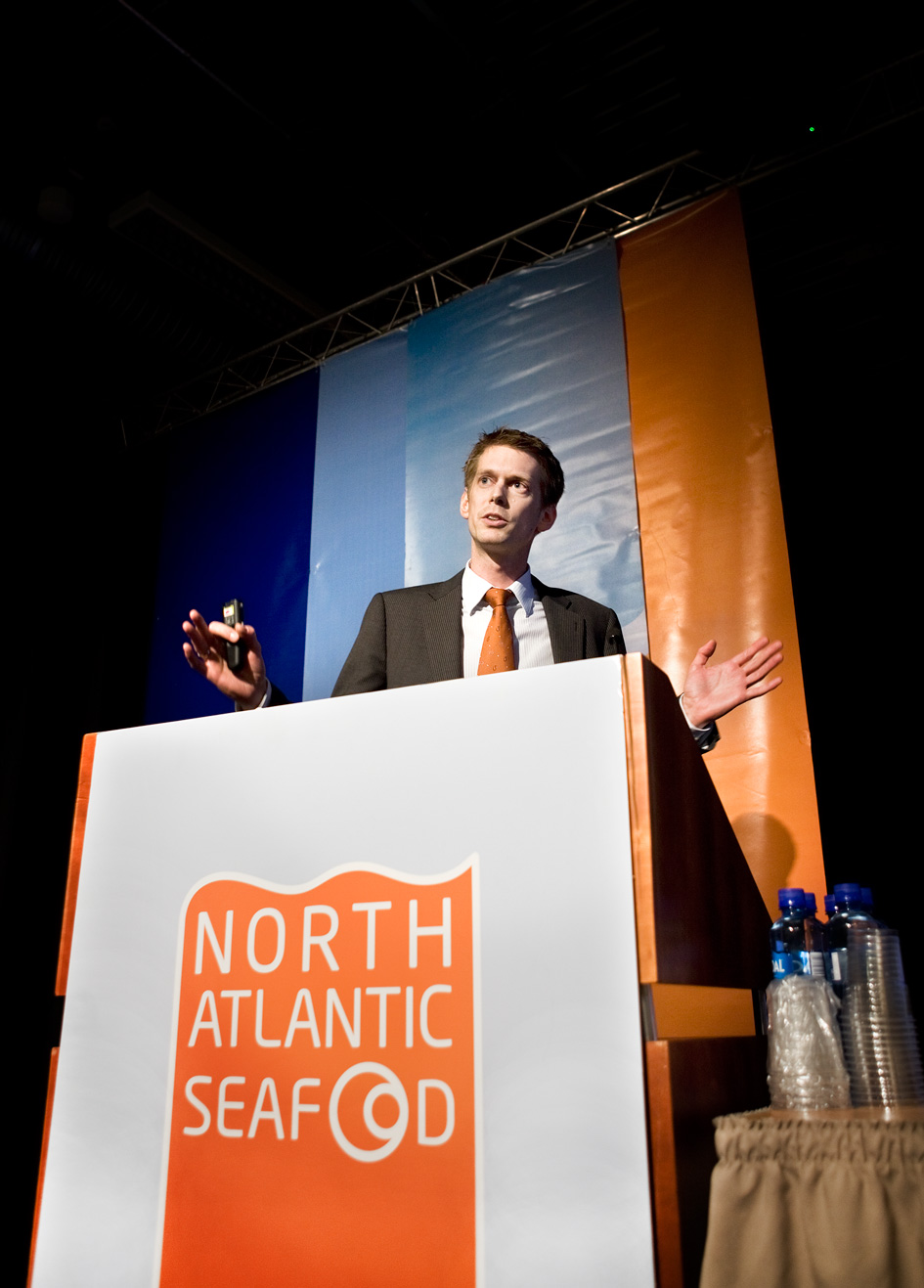
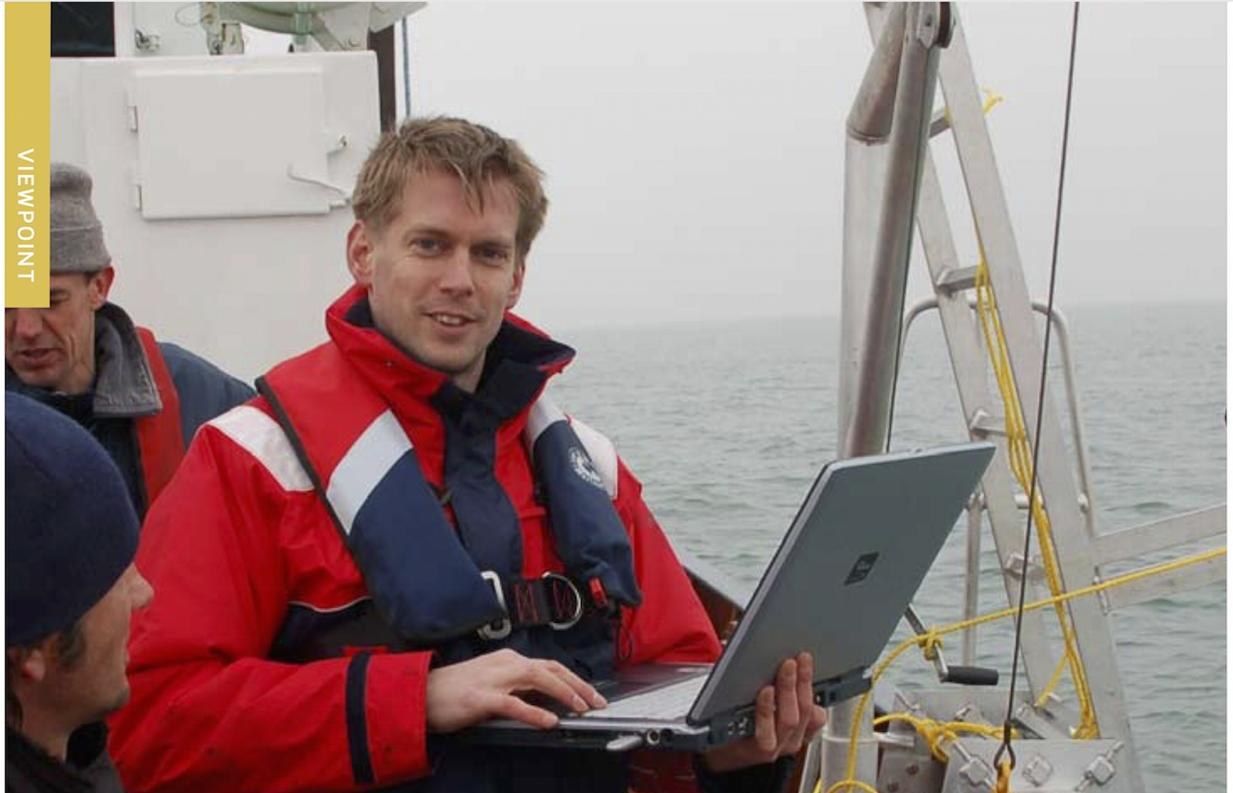
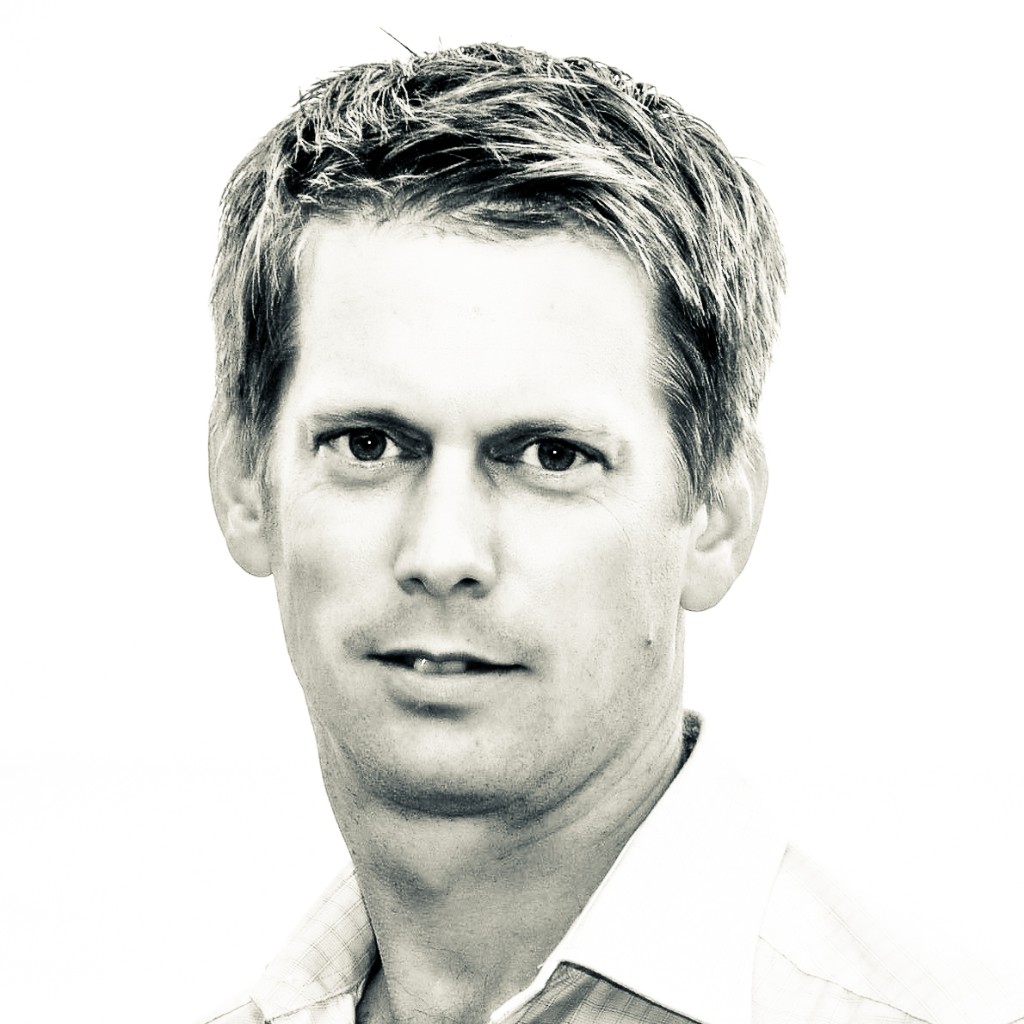
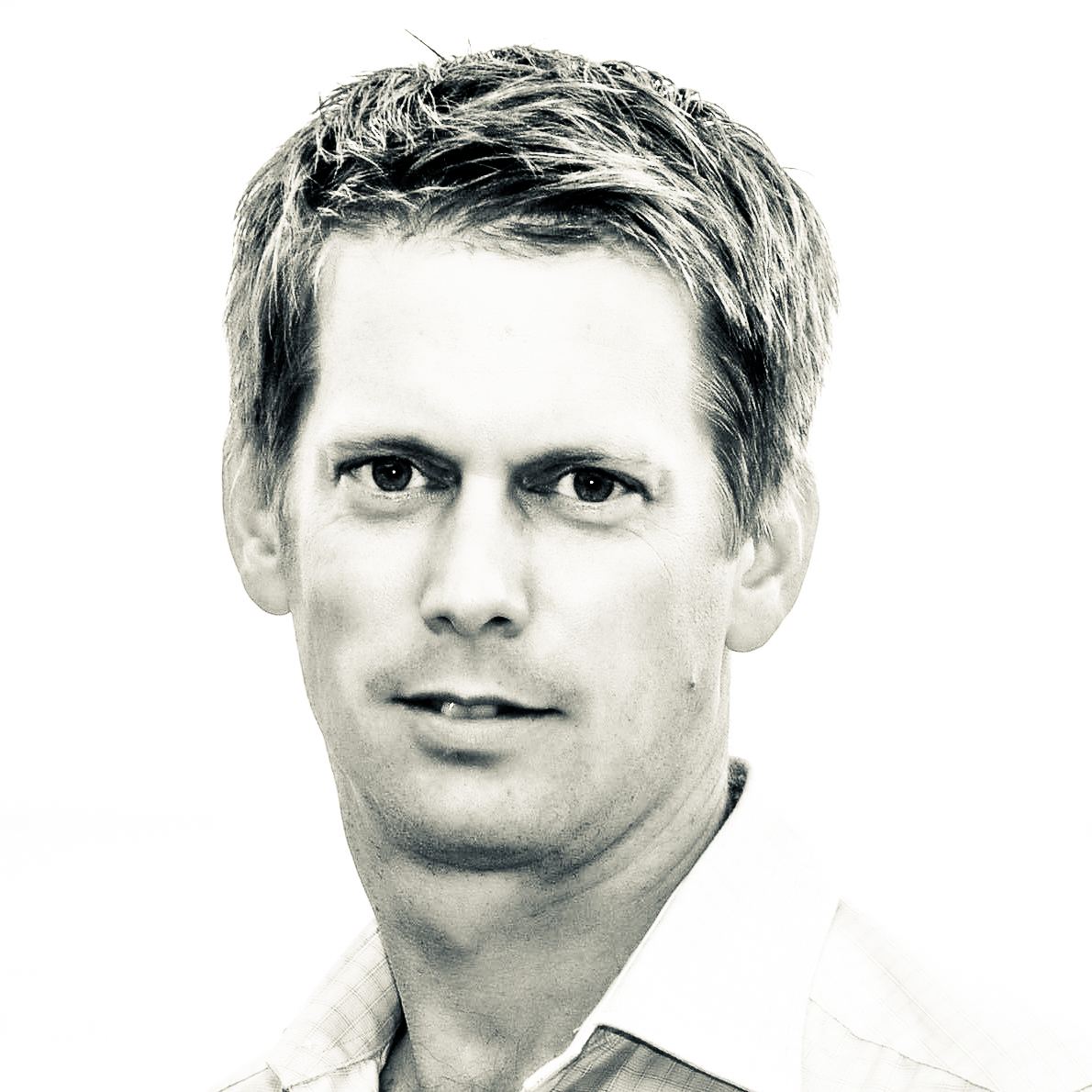
Mark Ybema Mark Ybema — MSc Fisheries Research (Wageningen), 20+ years in marine science, data systems, and international project development.

I lead every engagement — bringing the domain knowledge, the structured methodology, and the continuity. For each project, I assemble the right specialists from a trusted network of independent experts: from PhD-level acoustic researchers and senior cloud engineers to machine learning modellers and government advisors in bilateral cooperation. Whatever the domain requires. You get a focused team without the overhead of a large firm.

Sustainovate AS
Oslo, Norway · Founded 2009

The strategic and R&D arm. Founded in 2009. Sustainovate's work concentrates in marine and fisheries programmes, bilateral cooperation, and Horizon Europe project architecture. The same method has also been applied in ecosystem monitoring, energy, and water systems, where needed. Advisory mandates include Dutch ministry studies, bilateral cooperation scans, multi-partner consortium architecture, and capacity-building programmes for international partners.

Brreg registered · org.nr. available on request
OceanBox B.V.
Bussum, Netherlands · Founded 2021

The technology and product arm, spun off from Sustainovate in 2021. OceanBox currently provides the cloud platform for the European Pelagic Freezer-trawler Association (PFA), processing their acoustic data through EchoSuite — a modular echosounder data processing workflow built on Azure. OceanBox hardware has been installed on six commercial fishing vessels, though active use awaits proven use cases. OceanBox B.V. also developed WASSP multibeam echosounder processing software for ILVO (Belgium), assessing integration pathways for precision fishing applications. It carries the contracts, consortia, and product deployments for the Dutch market and EU project infrastructure.

KvK registered · chamber number available on request

Track record

Across research, industry, and government.

The track record spans all three — and most engagements sit at their intersection: the same proposal, the same governance table, the same data infrastructure.

Research

Marine institutes & academia

Collaborative work on responsible fisheries technologies and data infrastructure.

  • ICES WGFAST — Working Group on Fisheries Acoustics, Science and Technology
  • IMROP — hydro-acoustic research-capacity evaluation (Mauritania)
  • Wageningen Marine Research / PFA — European pelagic acoustic data infrastructure
  • NORCE — collaborative R&D on responsible fisheries technologies
Industry

Fishing & blue-economy operators

Turning operational data and networks into commercial value.

  • MareLife — Biomarine CEO network support
  • NO–NL fishing industry — knowledge exchange between fleets
  • Fish by-products — exploring high-value applications
  • Vessel & industry data — strategies for value creation
Government

Ministries & embassy networks

Bilateral cooperation, capacity building, and trade tooling.

  • Norwegian Blue Economy — desk studies for the Dutch government
  • Cambodia — fisheries-governance training for officials
  • NL TradeMate — Dutch embassy-network trade application

What collaborators say

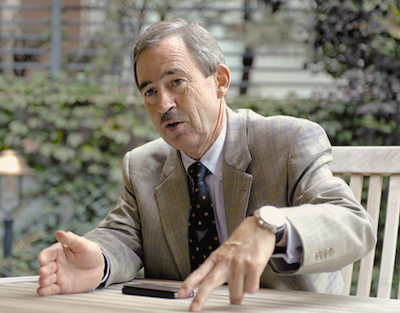
"Mark is creative and knowledgeable and attentive to the client's perspectives and ideas. I share his belief in the importance of open innovation in the process of expanding knowledge and creating new business opportunities."
Marit Valseth
Marit Valseth Senior Advisor at Innovation Norway
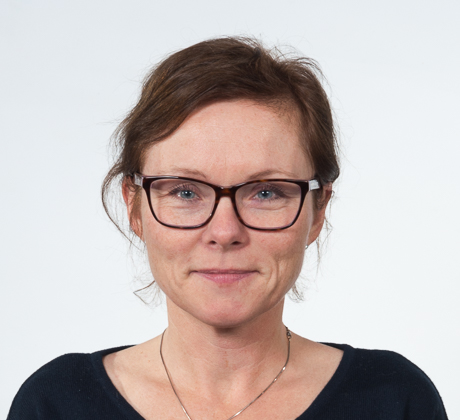
"Sustainovate is innovative and flexible and has a very strong network that is different from the established order, especially in the Nordic (bio)marine sector. The company applies interesting out of the box approaches in sustainable business development."
Reinder Schaap
Reinder Schaap Former Agricultural Counsellor at NL Embassies (Cairo, Riyadh, Hong Kong, Athens, Bucharest)

Contact