← Sustainovate

02 — Fundable Programme Architecture

The ambition is real.
The structure to make it work isn't there yet.

I turn ideas into funded proposals and keep complex programmes on track — starting with the logic before anything else. What are we actually trying to achieve? What needs to be true for that to happen? That clarity comes first — then we build together.

The situation I walk into

The funding window is open. The partners are willing. The idea is sound. But the proposal logic hasn't been made explicit — objectives are unclear, assumptions are hidden, and roles overlap. Without that foundation, the application falls apart under evaluation or the project drifts after funding.

Or the project is already funded — but no one built the governance layer. Multi-partner, multi-country programmes stall when reporting, decision rights, and accountability aren't structured from the start.

How I approach it

The structural challenges in Horizon proposals are consistent regardless of topic or consortium: a small core team carrying the full overview while partners contribute in parallel, work packages evolving at different levels of detail, and call criteria present in the content but not made visible for evaluators. At a certain point a proposal becomes structurally fragile — not because the idea is weak, but because complexity is no longer actively managed.

My approach separates project logic, work package development, and story-building into controlled steps. Each phase feeds the next through structured review rounds with explicit criteria. This keeps the whole consortium aligned on scope, prevents partner contributions from drifting out of the logic, and ensures every task and its budget is clearly justified — and visible to evaluators as such.

The same framework also works in reverse: to evaluate submitted proposals in a transparent and reproducible way.
What I deliver

  • Logical Framework Analysis (LFA) — objectives, assumptions, risks, and indicators made explicit before any writing starts
  • Horizon Europe proposal architecture — Part B focus: scientific approach, work packages, impact narrative, and evaluation alignment
  • Consortium structuring — partner roles, task allocation, IP and data agreements
  • Governance frameworks for funded projects — reporting structures, decision rights, review cycles
  • Active project management across multi-partner, multi-country programmes
  • Capacity building — training government officials and project teams in structured planning and LFA methodology

In practice

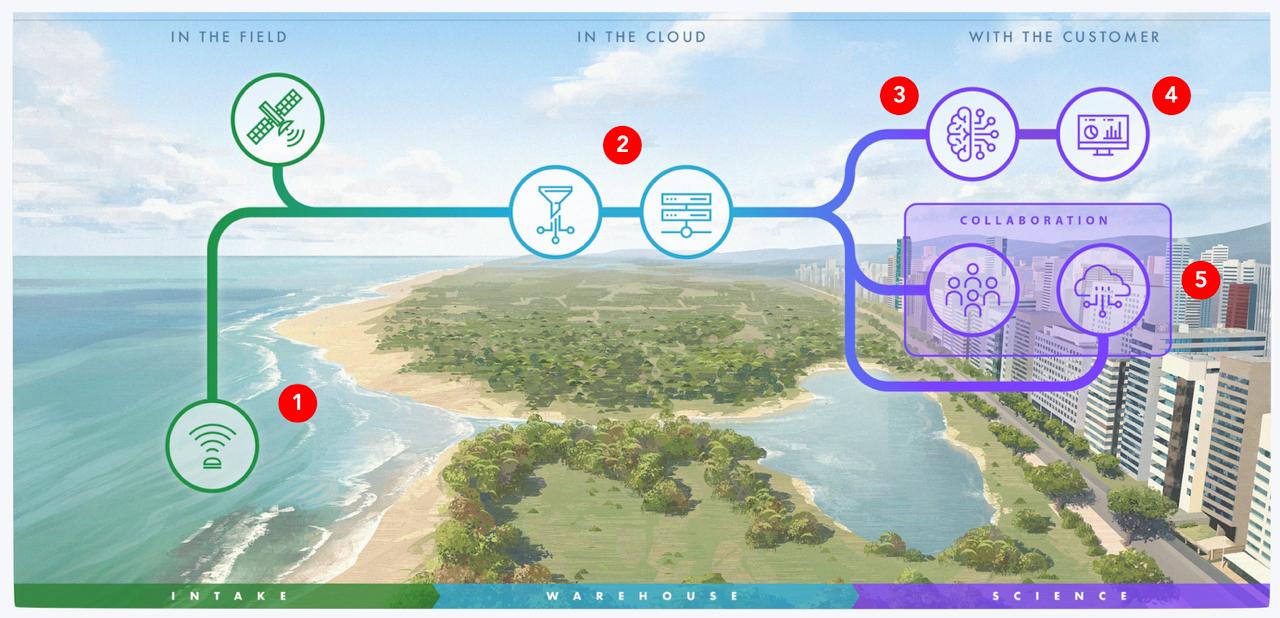
PelAcoustics AI — from field sensor to cloud to customer
Industry R&D · Multi-partner

PelAcoustics AI — Consortium Architecture

Structured and co-authored the multi-partner PelAcoustics AI project with WMR and IMR — defining roles, data governance, and the logical framework that keeps science and industry partners aligned across a multi-year programme.

Cambodia fisheries governance training
Capacity Building · International

Cambodia Fisheries Governance Training

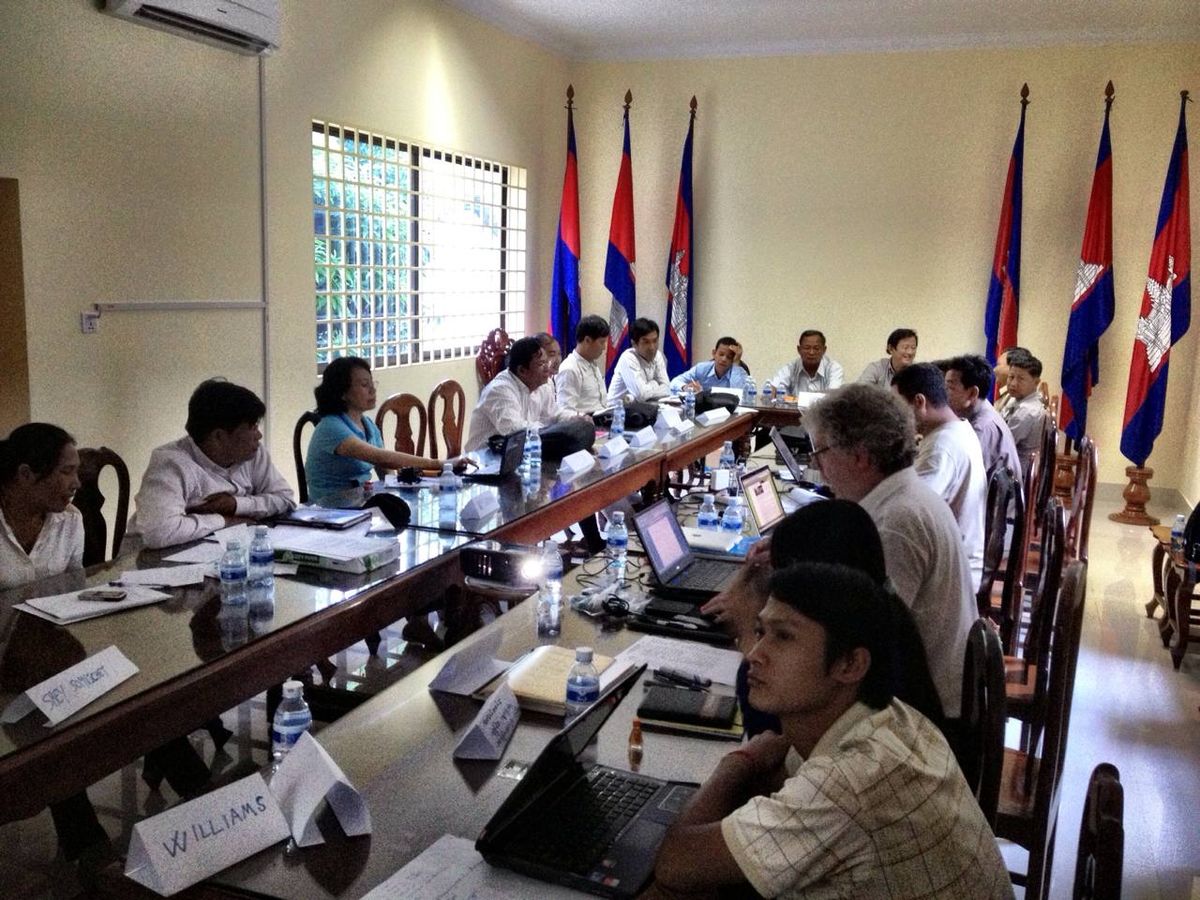
Four-week fisheries governance training for officials of Cambodia's Fisheries Administration (FiA/MAFF), commissioned by NUFFIC. Logical Framework Approach used as a practical management planning tool — equipping officials to design, structure, and manage fisheries programmes independently.

AI-assisted Horizon Europe proposal workflow
Horizon Europe · Proposal Development

Horizon Europe Proposal Co-authorship

Co-authored multiple Horizon Europe proposals across marine and environmental programmes, twice scoring above the funding threshold. Also served as independent expert evaluator for EU-funded marine science calls — understanding both sides of the evaluation process.

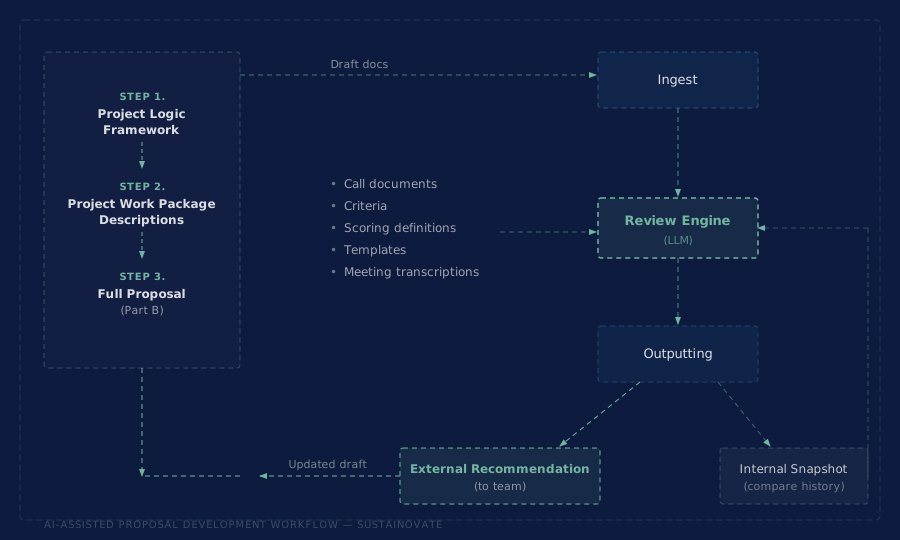
The workflow above shows the AI-assisted approach: starting with the logical framework, building through work package descriptions to the full Part B text, with an LLM review engine continuously checking draft content against call documents, scoring criteria, and evaluation templates. Each iteration produces external recommendations for the team and an internal snapshot for version comparison.

Working on a proposal or managing a complex programme?
Let's talk.

Discuss a proposal engagement